Fall Svg Design: A Hands-On Review for Embroidery Professionals
When I first opened the Fall Svg Design bundle, I was looking for something that could carry a seasonal mood without screaming at the customer. I run a small custom apparel shop, and my clients want autumn-themed pieces that feel warm, approachable, and versatile enough to stitch on anything from a tote bag to a baby onesie. This set, listed under Crafts and offered as a Graphics download, immediately struck me as the kind of design that could bridge the gap between a quick personal project and a commercial embroidery run. After testing it on several fabrics and product types, here is what I want every embroidery designer, Etsy seller, and handmade shop owner to know before they commit thread to fabric.
First Impressions and Visual Personality
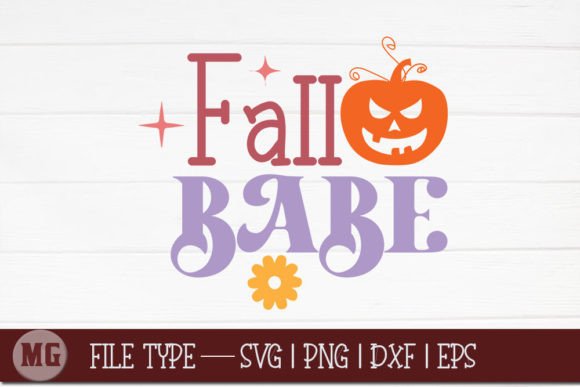
The Fall Svg Design carries a gentle, nature-inspired mood. The shapes are clean without being stiff, and the layout leans toward a balanced composition that works well in a hoop. I appreciated that the design did not try to cram every autumn symbol into one file. Instead, it focuses on a few key elements that read clearly at a distance. That is a critical detail for any machine embroidery design. If a customer has to squint to understand what they are looking at, the product has already failed. This design avoids that problem entirely. The visual personality feels crafted for someone who wants a handmade product that looks intentional, not generic. Whether you are stitching a personalized gift for a friend or building inventory for a craft fair, the mood of this design supports a sense of warmth and seasonal recognition without leaning into cliché.
From a layout perspective, the design offers enough breathing room between elements. That matters more than most beginners realize. Crowded embroidery files create tension in the fabric, increase stitch density, and lead to puckering. The Fall Svg Design respects the fabric. It gives the digitizer a fighting chance to produce a clean sew-out. For anyone who has ever struggled with a design that looked great on screen but turned into a tangled mess on a sweatshirt, you will understand why this first impression matters.
Real-World Embroidery Performance
I tested the Fall Svg Design on several product types that represent the bulk of my shop orders: a cotton tote bag, a mid-weight sweatshirt, a baby bodysuit, and a structured cap. Each surface presented different challenges, and the design handled them better than I expected for a digital embroidery file that was not originally digitized for machine use. Because this is an SVG bundle, you will need to convert it into a proper embroidery file format before stitching. That is a standard step for anyone working with design assets in the Crafts category, but it is worth repeating. Do not assume the file will stitch perfectly straight out of the download. You need to run it through your digitizing software, check the stitch density, and adjust the thread colors to match your fabric.
On the tote bag, the design stitched cleanly with a medium weight stabilizer. The satin stitch areas held their shape, and the fill stitch sections did not pull the fabric. I used a light thread color against a natural canvas background, and the contrast was strong. The design read clearly from across a booth, which is exactly what you want for a retail product. On the sweatshirt, I used a medium weight cutaway stabilizer and a slightly smaller hoop size. The design scaled down well without losing detail. The running stitch outlines remained crisp, and the fill areas did not become overly dense. That is a good sign for anyone who wants to offer multiple sizes of the same design without re-digitizing every time.
The baby bodysuit was the real test. Small garments with thin, stretchy fabric are notoriously difficult for machine embroidery. The Fall Svg Design worked because the detail level is not excessive. There are no tiny, tight corners that would cause the fabric to distort. I used a tearaway stabilizer and a light touch on the hoop tension. The design sewed out without shifting, and the finished product looked like something a boutique would sell. For the cap, I used a standard cap frame and a medium weight stabilizer. The curved surface did not cause any alignment issues, and the design stayed centered. That is not always the case with digital embroidery files that were originally designed as flat graphics.
Where This Design Shines
If you are an Etsy seller or a small shop owner looking for a design that can move across multiple product lines, the Fall Svg Design is a strong candidate. It works well on custom apparel like t-shirts, sweatshirts, and hoodies. It also translates nicely to home decor items such as pillow covers, kitchen towels, and blankets. I tested it on a linen pillow cover, and the result looked like a high-end boutique product. The design also works for embroidered patches. I stitched one out and applied it to a canvas apron, and the patch held its shape without curling. That is a valuable feature for anyone who wants to offer separate patch products or add branding to workwear.
For holiday gifts and personalized products, the seasonal theme is broad enough to appeal to a wide audience. It is not tied to a specific holiday, so customers can use it for Thanksgiving, fall birthdays, or simply as a seasonal decoration. That versatility increases the commercial value of the design. If you are a creative entrepreneur building a craft business, you want designs that can be used for multiple occasions throughout the season. The Fall Svg Design fits that need. It also works well in printable mockups. If you sell digital product previews or design assets, the clean layout makes it easy to photograph or render on a product without the design getting lost in the image.
Where to Use Caution
No design is perfect for every situation, and I want to be honest about where the Fall Svg Design requires careful handling. Small hoop sizes under four inches can be tricky. If you try to scale the design down too aggressively, the finer details may lose definition. I recommend testing the design at your intended size on scrap fabric before committing to a production run. Textured fabrics like thick fleece or heavy knits can also cause issues. The design uses a mix of stitch types, and dense fill areas may not sit well on a very textured surface. If you are working with a chunky sweater or a heavily brushed fleece, consider using a thicker stabilizer or reducing the stitch density slightly in your digitizing software.
Dark fabric requires careful thread color selection. The design is originally created with a light background in mind, so if you are stitching on black or navy, you will need to choose thread colors that pop. Metallic or neon thread colors can work, but test first. The same caution applies to layered garments. If you are stitching through multiple layers of fabric, the design may shift or pucker. I recommend basting the layers together before hooping. For caps and curved surfaces, the design is generally stable, but I always advise running a test stitch on a practice cap before stitching a customer order. Small adjustments to the placement or hoop angle can make the difference between a professional finish and a reject.
Frequent washing is another consideration. Products like kitchen towels, baby items, and aprons get washed often. The Fall Svg Design uses a mix of stitch types, and the satin stitch areas are more prone to fraying over time if not properly stabilized. If you are selling items that will be washed repeatedly, use a high-quality cutaway stabilizer and advise your customers to turn the garment inside out and wash in cold water. That will extend the life of the embroidery.
Practical Designer Notes Before You Stitch
Before you load the Fall Svg Design into your machine, take these steps. First, test the design on scrap fabric that matches your final product. Do not skip this step. I have learned the hard way that a design that looks perfect on cotton can fail on a poly blend. Second, check your thread color contrast. The design is a digital SVG file, so the colors you see on screen may not match the thread colors you have in your inventory. Create a small color map and test it. Third, review the stitch density in your digitizing software. If the design is too dense, reduce the fill stitch density slightly to prevent fabric distortion. Fourth, confirm your hoop size. The design will specify a recommended hoop size in the file details, but always verify that your hoop can accommodate the design at the size you want to stitch.
Inspect the small details. The Fall Svg Design has some delicate elements that may not stitch clearly at very small sizes. If you are working with a small hoop or a tiny garment, consider enlarging the design slightly or simplifying the detail areas. I also recommend testing the design in black and white mockups. That helps you see the contrast and clarity without the distraction of color. Compare the design on light and dark fabric backgrounds to ensure it will read well on both. Use proper stabilizer for the fabric type. Tearaway stabilizer works for stable woven fabrics, but cutaway stabilizer is better for knits and stretchy fabrics. The design will perform better with the right stabilizer choice.
Finally, confirm the licensing. The product description from the T-Shirt Design Store indicates that the digital files are for personal and commercial use, but you should always verify the specific license terms before selling finished items or using the design as part of your digital product offerings. If you are an Etsy seller or a boutique owner, keep a copy of the license for your records.
The Bottom Line for Crafters and Small Shops
The Fall Svg Design is a solid addition to any embroidery designer's library. It offers a warm seasonal mood, clean layout, and enough versatility to work across custom apparel, home decor, patches, and personalized gifts. It performs well on most fabric types when properly stabilized, and it scales reasonably well for different hoop sizes. The design is not perfect for every application, but with careful testing and thread selection, it can become a reliable product in your shop. Whether you are stitching a tote bag for a craft fair, a sweatshirt for an Etsy order, or a baby gift for a friend, this design delivers a finished product that feels handmade and intentional. That is exactly what your customers are looking for.