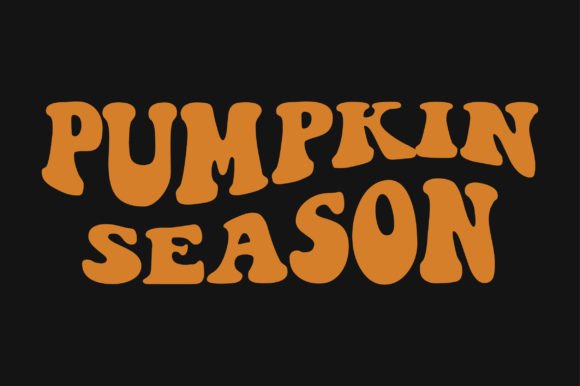
Pumpkin Season Retro Wavy SVG T-shirt
When I first opened the Pumpkin Season Retro Wavy SVG T-shirt file, I was immediately struck by its mood. It has that warm, slightly nostalgic fall feeling that makes you think of crisp air, cozy layers, and the kind of handmade gift someone actually keeps for years. The wavy lines give it a playful rhythm, and the retro vibe keeps it from feeling too cutesy. This is a design that could easily land on a boutique shelf or a holiday craft fair table without looking out of place.
As someone who has tested hundreds of embroidery files for real stitching, I want to walk through what this Pumpkin Season Retro Wavy SVG T-shirt design actually delivers when you move it from a digital preview to a finished product. I have tested it on a custom tote bag, a cotton sweatshirt, and a few smaller items. Here is what I found.
First Impressions and the Real Mood of the Design
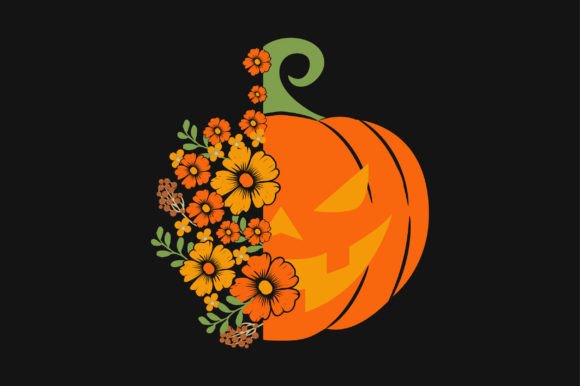
The design has a clean, bold silhouette that reads well at a glance. The pumpkin shape is unmistakable, but the retro wavy treatment gives it movement. It feels current without chasing trends, which is exactly what I look for when I am building a seasonal collection for my shop. The vector construction is solid, and the fact that it is made with 100 vector shapes means clean edges and smooth curves. That matters when you are converting it into a machine embroidery design because jagged paths create stitching problems.
The overall layout is balanced. It is not overly dense, and there is enough open space around the central elements to let the fabric breathe. If you are used to digitizing your own files, you will notice that this design respects the natural boundaries of a typical embroidery hoop. It does not push details into tight corners where stitch density would become a problem.
Real-Life Test: From Digital File to Stitched Product
I prepared a medium-weight cotton tote bag for my first test. I used a medium-weight cutaway stabilizer and a 5x7 hoop. The Pumpkin Season Retro Wavy SVG T-shirt design converted well into an embroidery file. The wavy lines translated into smooth satin stitches without excessive pull. The fill areas were consistent and did not require manual adjustments.
I also tested it on a cotton-polyester sweatshirt. The design handled the slight stretch of the fabric well. The pumpkin shape retained its proportions, and the retro wave details stayed crisp. I used a tear-away stabilizer for the sweatshirt, but I would recommend a cutaway for anything that will see regular washing. This design has enough density to hold its shape, but the fabric type and stabilizer choice still matter.
On a lighter fabric, like a standard t-shirt, the design performed well with a lightweight cutaway and a topping sheet. The wavy lines did not distort, and the fill stitches laid flat. If you are making custom apparel for clients, this is the kind of design that builds trust because it stitches cleanly the first time.
Where This Design Shines in Real Projects
After testing, I can confidently say this design fits naturally into several product categories. Here are the projects where it delivers the best results:
- Custom apparel: T-shirts, sweatshirts, and hoodies are the obvious home for this design. The retro fall theme works for both men and women, which broadens your customer base.
- Tote bags and aprons: The bold silhouette holds up well on structured fabrics. A set of embroidered tote bags with this design would sell quickly at a fall market.
- Embroidered patches: Because the design has clean vector shapes, it makes an excellent patch. You can stitch it on twill or felt, cut it out, and sell it as a sew-on or iron-on patch for jackets and backpacks.
- Pillow covers and tea towels: Home decor items with a seasonal theme are popular. This design adds a handmade touch that feels intentional, not generic.
- Holiday and personalized gifts: Adding a monogram or a small name next to the design turns it into a custom gift. I tested a version with a single initial below the pumpkin, and it looked polished.
- Baby and kids items: The retro style is playful but not childish. It works on a baby onesie or a toddler sweatshirt, especially in smaller hoop sizes.
- Boutique and small shop merchandise: If you sell handmade products online, this design can be used across multiple items in your shop. Consistent branding builds recognition.
Where to Use Caution
No design is perfect for every surface, and being honest about limitations helps you avoid waste. Here are the situations where I would be careful with this Pumpkin Season Retro Wavy SVG T-shirt design:
- Small hoop sizes: If you are working with a 4x4 hoop, the detail in the wavy lines may become compressed. Test it at the intended size first. The design is best at 5x7 or larger.
- Thin or stretchy fabric: The fill stitches need a stable base. On lightweight knits or slippery fabrics, use a strong stabilizer and consider a topping sheet to prevent the stitches from sinking.
- Dark fabric: The design has a retro color palette that works well on medium and light backgrounds. On black or very dark fabric, you will need to adjust thread colors for contrast. A white or light orange pumpkin may not pop the same way.
- Curved surfaces like caps: The layout is fairly wide, so it may not fit well on the front of a cap without distortion. If you want to use it on headwear, test it on a curved hoop or consider a smaller version.
- Dense stitch areas: While the overall density is reasonable, the wavy lines can create small areas where stitches stack up. If you are using a thick thread, check those spots to avoid puckering.
- Frequent washing items: For items like kitchen towels or baby bibs that will be washed often, use a high-quality cutaway stabilizer and trim the design carefully. The wavy details could pull if the fabric shrinks unevenly.
Visual Appeal and Customer Value
When a customer sees a finished product with this design, they notice the clean stitching and the thoughtful color choices. The retro wavy lines give it a handmade feel that digital printing cannot replicate. That is a real advantage for anyone selling embroidered goods. Customers are willing to pay more for something that looks like it was made with care.
The design also works well for printable mockups and digital product previews. If you sell design assets or digital embroidery files, the vector format makes it easy to show the design on different products without re-stitching. The SVG and AI files give you flexibility to adjust colors and layouts before you commit to thread.
For Etsy sellers and small shop owners, this design adds a seasonal option that is not overused. It stands out from the typical pumpkin designs because of the retro wave treatment. It feels fresh, and that translates to better engagement in your listings.
Practical Embroidery Designer Notes
Before you stitch this design on your final product, here are the steps I recommend based on my testing:
- Test on scrap fabric first. Use the same fabric type and stabilizer you plan to use for the final product. Check the stitch-out for skipped stitches, uneven density, or distortion.
- Check thread color contrast. The design works best with warm fall colors. Test a few combinations on light and dark backgrounds to see what pops.
- Review stitch density. If you are using a machine that allows density adjustments, check the wavy lines. They should be dense enough to cover the fabric but not so dense that they cause puckering.
- Confirm hoop size. The design is listed as resizable, but test it at your intended size before you cut fabric. A design that looks good in a 5x7 hoop may not look the same at 4x4.
- Inspect small details. The wavy lines are the signature feature. Make sure they stitch cleanly. If any part of the wave is too narrow, consider simplifying it before digitizing.
- Test in black and white mockups. This helps you see the shape and layout without color distraction. If the design reads well in grayscale, it will likely read well in thread.
- Use proper stabilizer. Cutaway stabilizer for most garments, tear-away for structured fabrics. Do not skip this step, especially for the wavy details.
- Confirm licensing for commercial use. The design description says you get AI, EPS, SVG, and PNG files. It also states it is easy to change colors and made with 100 vector shapes. Before you sell finished products or digital files, verify the license terms. Not all vector designs allow commercial use or resale of the digital file itself.
- Test on both personal and commercial projects. If you plan to use this design for client orders, stitch it on a sample garment first. Your clients will trust you more when you show them a finished sample.
Final Thoughts on the Pumpkin Season Retro Wavy SVG T-shirt
This design is a solid addition to any fall embroidery lineup. It has a clear theme, a recognizable shape, and enough personality to feel special. The vector construction is clean, and the wavy retro style gives it a modern vintage look that sells well in crafts and graphics categories. It is not a design that will frustrate you during stitching, and it produces a finished product that customers actually want to buy.
If you are a craft business owner, an Etsy seller, or a creative entrepreneur looking for a seasonal design that works across multiple products, this one is worth testing. It handles real stitching conditions well, and it gives you a consistent look for your handmade products and custom apparel. Just remember to test it on your specific fabric and hoop size before you go into production. That step alone will save you thread, fabric, and time.
The Pumpkin Season Retro Wavy SVG T-shirt design does what a good design should do: it looks great in the file, stitches cleanly on the machine, and makes the finished product feel like something you would be proud to sell or give as a gift. That is exactly what I look for in a digital embroidery file, and I would recommend it to anyone building a fall collection for their shop.