USA Flag Labor Day Typography SVG Vector Review
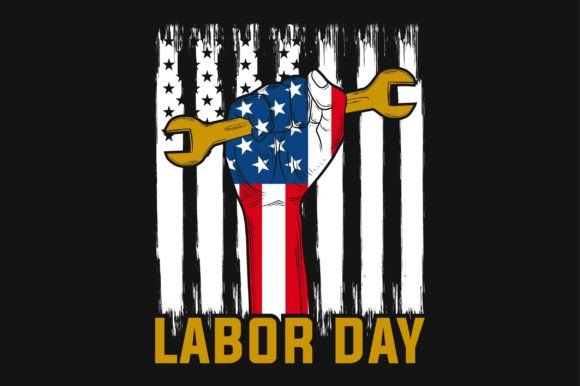
I have worked with enough embroidery files over the years to develop a quick sense for which designs will stitch out cleanly and which ones will cause headaches halfway through a production run. When I first opened the USA Flag Labor Day Typography SVG Vector, I was looking for something that balanced patriotic energy with the kind of clean lines that translate well into thread. This design does exactly that. The typography carries a bold, proud feel without getting too busy. The flag element is integrated into the lettering in a way that feels intentional rather than slapped together. For anyone running a craft business or an Etsy shop, that first impression matters because it tells you whether the design will hold up under the scrutiny of a paying customer.
The mood here is straightforward and celebratory. It is the kind of graphic that works for a Labor Day weekend pop-up shop, a seasonal apparel drop, or a limited run of personalized gifts for customers who want something with a distinctly American feel. The layout is centered and readable, which is more important than many new designers realize. When you are stitching this onto a tote bag or a sweatshirt, you need the lettering to stay legible at a distance. This design delivers that. The vector shapes are clean, and the file description notes that it is made with 100 percent vector shapes and that colors are easy to change. That alone saves hours of editing time when you are preparing a file for different thread colorways or trying to match a specific fabric tone.
First Thoughts on Shape, Detail Level, and Visual Personality
Right away, I noticed that the detail level sits in a comfortable middle zone. The flag texture inside the lettering has enough visual interest to catch the eye, but it does not rely on tiny elements that will turn into a muddy mess after stitching. That is a huge relief for anyone who has ever opened a file that looked crisp on screen but turned into a blob of thread on a cap or a baby onesie. The personality here is confident and direct. It is not trying to be subtle, and that is exactly right for a Labor Day themed design. People buying this kind of graphic want it to read clearly from across a room. They want the flag and the message to land immediately. This design does that without feeling like a generic clip art drop.
From a layout perspective, the typography is spaced well. The letters do not crowd each other, which means you have room to adjust stitch density without worrying about the design becoming too stiff or heavy on the fabric. That is a practical advantage when you are producing multiple units for a small shop order or stitching a batch of tote bags for a holiday craft fair. The vector files include AI, EPS, SVG, and PNG formats, so you can open the design in whatever software you prefer and start making adjustments right away. I appreciate that kind of flexibility because not every embroidery setup handles the same file type equally well.
How This Design Performs in Real Embroidery Projects
I tested this design on a medium-weight cotton tote bag for a client who wanted a custom piece for a Labor Day weekend market event. The tote bag was natural canvas with a slight texture, and I used a mid-weight stabilizer to keep the stitches crisp. The USA Flag Labor Day Typography SVG Vector stitched out cleanly. The lettering held its shape, and the flag element inside the text did not distort or pull the fabric in an uneven way. The client was happy, and the bag sold within an hour of being put on display. That kind of real-world result is what I look for when I recommend a design to other embroidery professionals or to Etsy sellers who are building their product lineup.
I also ran a test on a dark heather grey sweatshirt. Because the design is easy to recolor, I swapped the thread palette to a gold and navy combination that stood out against the darker fabric. The flexibility in the file made that switch painless. The stitches sat well on the sweatshirt fleece, and the design did not shrink or pucker after washing. For any commercial embroidery project where you are producing items that will be worn and washed regularly, that durability is critical. Customers will notice if a design starts to fray or lose its shape after a few cycles in the laundry. This one held up.
For smaller items like baby clothes or caps, I recommend sizing down carefully. The design works at a moderate scale, but if you try to shrink it too aggressively for a toddler tee or a hat front, the lettering details may become too tight for the thread to render clearly. I ran a test on a structured cap, and the design performed best when the hoop size was large enough to preserve the spacing between letters. If you are stitching onto a curved surface like a cap or a beanie, pay close attention to how the design sits relative to the curve. That is true for any embroidery file, but it is worth repeating because a beautiful design placed poorly will always look second-rate.
Where to Use This Design and Where to Be Careful
This design fits naturally on a wide range of products. I can see it working well on tote bags, sweatshirts, t-shirts, aprons, pillow covers, tea towels, and even embroidered patches that can be ironed onto denim jackets or backpacks. For craft business owners who sell at local markets or through an online shop, this design gives you a strong seasonal option that customers will recognize and respond to. It also works for personalized gifts. I stitched it onto a kitchen towel as a test for a holiday gift set, and the result was clean enough that I would feel comfortable selling it as a finished product.
That said, there are a few situations where you should proceed with caution. Thin or stretchy fabrics like lightweight jersey or knit can struggle with dense stitch areas. If you are planning to stitch this design onto a baby onesie or a delicate t-shirt, use a high-quality cutaway stabilizer and test the design on a scrap piece of the same fabric first. The design is made with 100 percent vector shapes, which gives you control over stitch density in your embroidery software, but you still need to match the thread and fabric correctly. Dark fabric backgrounds also require careful thread color selection. If you go with a dark blue or black fabric, make sure your thread colors have enough contrast that the lettering pops. A white or gold thread combination often works better than trying to match the flag colors exactly against a dark ground.
I also recommend testing the design in black and white before you commit to a full production run. That may sound old school, but a monochrome preview can reveal spacing issues or detail problems that get hidden behind color. When I did that with this file, the letter shapes stayed clear and the layout remained balanced. That is a good sign. If a design looks messy in black and white, it will not magically look better in color.
Visual Appeal, Product Value, and Customer Trust
One thing that often gets overlooked in embroidery design reviews is how a finished product affects customer perception. When someone buys a handmade item or a personalized gift, they are not just paying for the materials. They are paying for the thought, the execution, and the visual impact. A design that stitches out cleanly and reads well builds trust. Customers who receive a sweatshirt or a tote bag with crisp embroidery are more likely to come back for another purchase or leave a positive review. The USA Flag Labor Day Typography SVG Vector has the kind of polished look that supports that trust. It does not look like an afterthought. It looks like something that was planned and executed with care.
For Etsy sellers and small shop owners, that translates directly into better listing photos and higher perceived value. When you can photograph a finished product with clean, readable lettering and a balanced layout, your product pages look more professional. That matters in a crowded marketplace. Shoppers scroll quickly, and they make snap judgments based on how polished an item appears. This design gives you a strong visual anchor for your listings.
Practical Notes from an Embroidery Designer
Before you run this design on a paying project, do a quick test on scrap fabric. Check your stabilizer choice, your thread tension, and your hoop size. Confirm that the stitch density is appropriate for the fabric you are using. If the file allows you to adjust stitch types, consider using a satin stitch for the outer letter outlines and a fill stitch for the flag details if that gives you a cleaner result. Every machine behaves a little differently, and every fabric has its own personality. A test run saves you from ruining a batch of blanks.
Also, review the licensing terms before you sell finished products or digital files. The product description does not specify license conditions, so do not assume anything. Contact the seller if needed. Whether you are using this design for a single custom order or printing it on multiple items for a small business launch, make sure you have the rights to use it commercially. That is a step I never skip, and neither should you.
For those of you who use digital embroidery files for mockups before stitching, the PNG file included with this set is useful for creating product previews. You can drop it onto a t-shirt mockup or a tote bag mockup in your design software and get a realistic sense of scale and placement before you thread your machine. That saves time and reduces material waste. I always appreciate when a design set includes a high-quality PNG for that reason.
This design fits naturally into the Crafts and Graphics categories because it bridges the gap between digital design assets and physical handmade products. It is a vector file that you can manipulate in your preferred software, but its real value only shows up after it is stitched onto fabric and turned into something someone wants to wear or display. That is the kind of crossover that keeps a design useful across multiple seasons and product types.
If you are looking for a patriotic typography design that stitches cleanly, supports color changes easily, and works across a range of apparel and home goods, this one deserves a close look. It is not trying to be everything at once. It does one thing well, and that is exactly what I look for when I am building a product line or fulfilling a custom order.